Best Toys for Bichon Frise: Safe, Fun Picks by Play Style
Key Takeaways
- Daily short-stroke brushing prevents the majority of coat mats before they form near the skin.
- Wiping tear tracks daily with a warm damp cloth reduces reddish porphyrin oxidation on white fur.
- Always use dog-safe, non-scented grooming products suited to sensitive skin.

Looking for a clear, friendly guide? Here’s a quick, practical snapshot tailored to this topic.
Quick take:
- Rotate toys to keep interest high.
- Choose size‑appropriate, safe materials.
- Mix puzzle toys with soft comfort toys.
Optional upgrades (luxury touch)
If you want an extra‑comfort experience, these upgrades are completely optional but feel great in daily life:
- Premium puzzle toy for mental stimulation.
- Soft plush set for calm play.
- Durable chew toy with a gentle texture.
Next steps
Build a simple toy rotation so each feels new again.
Looking for a clear, friendly guide? Here’s a quick, practical snapshot tailored to this topic.
Best Toys for Bichon Frise: Safe, Fun Picks by Play Style
Bichon Frises are bright, playful dogs with quick bursts of energy and a big love for attention. The best toys are the ones that fit their small size, keep them mentally engaged, and are safe for supervised play.
Instead of chasing brand names, use play style. That way you can match toys to your Bichon’s personality and rotate them to keep things fresh.
1) Soft comfort toys (for gentle players)
Many Bichons love soft plush toys to carry around or cuddle.
Look for:
- reinforced seams
- no loose beads or buttons
- easy‑to‑wash fabric
2) Squeaky toys (for engagement)
Squeakers can keep a Bichon excited and focused.
Look for:
- small‑dog sizing
- durable stitching
- replaceable or protected squeakers if possible
3) Puzzle toys and treat dispensers (for smart Bichons)
These are great for slowing down fast eaters and giving your dog a job to do.
Look for:
- adjustable difficulty
- easy‑to‑clean materials
- treats that are small and low‑calorie
4) Gentle chew toys (for light chewers)
Bichons are usually light chewers, not power chewers. You want something firm enough to last but not so hard it risks teeth.
Look for:
- flexible chew materials
- size‑appropriate thickness
- vet‑approved chews if your dog has dental issues
5) Fetch and tug toys (for burst energy)
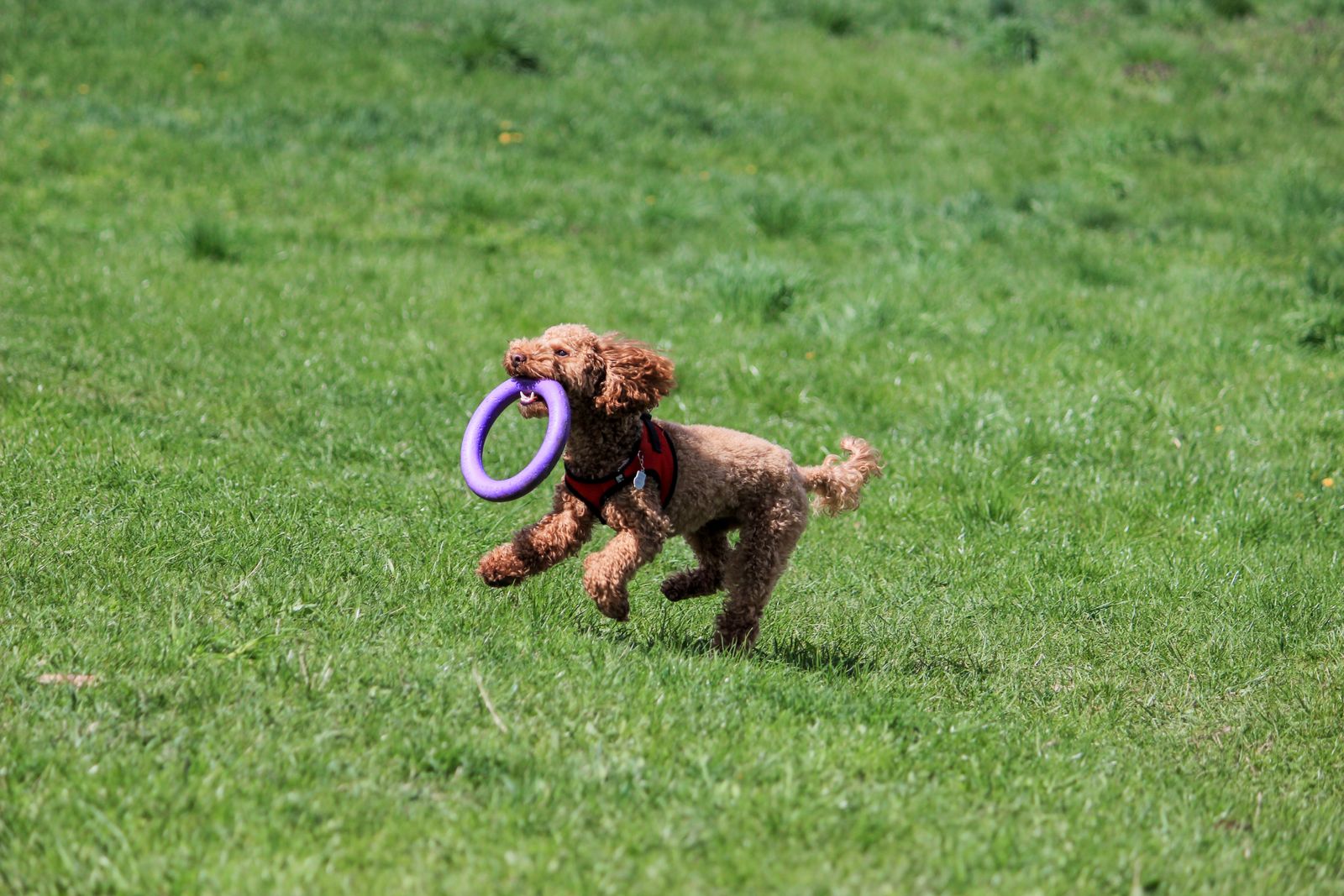
Bichons love short play sessions. A lightweight ball or soft tug toy works well.
Look for:
- small size and light weight
- soft materials that won’t damage teeth
- handles that are easy to grip
Toy safety basics (don’t skip this)
- Size matters: If it fits entirely in the mouth, it’s too small.
- Check weekly: Toss toys that are tearing or shedding stuffing.
- Supervise squeakers: Remove damaged squeakers quickly.
- Clean regularly: Especially plush toys and treat dispensers.
Quick toy‑fit checklist
Bichon Toy Safety Check
- Right size for a small‑breed mouth
- No small parts that can be swallowed
- Material is washable and not brittle
- No loose seams or stuffing leaks
- Appropriate for your dog’s chew strength
How many toys does a Bichon need?
Most Bichons are happiest with 5–8 toys in rotation: a comfort toy, one puzzle, one chew, and a couple for active play. Rotating keeps novelty high without cluttering the house.
The bottom line
Choose toys that match your Bichon’s size and play style, keep safety first, and rotate regularly. That’s the fastest way to keep your pup entertained without buying a mountain of toys.
Sources consulted: AKC Bichon Frise breed overview (activity and play needs) and general toy safety guidance from veterinary sources.
Related guides
Explore these next for a clearer, more complete picture:
When to Call Your Vet
Home care is appropriate for minor issues. Seek veterinary advice promptly if you notice any of the following:
- Excessive scratching, redness, or hot spots that persist for more than 2–3 days
- Eye discharge that changes colour, increases suddenly, or is accompanied by squinting or swelling
- Ear odour, dark discharge, or frequent head shaking
- Sudden changes in appetite, energy, or behaviour
- Limping, favouring a leg, or difficulty rising from rest
- Vomiting or diarrhoea lasting more than 24 hours
Frequently Asked Questions
Sources & References
Our editorial team researches and writes practical care guides for Bichon Frise owners, drawing on veterinary guidelines, breed standards, and community experience.